
Understanding Garage Door Insulation: Deciphering R-Value vs. U-Factor for Industrial ROI
In the high-stakes environment of cold chain logistics, the garage door is the most vulnerable point in your thermal envelope. Every degree of temperature fluctuation can compromise millions of dollars in pharmaceutical or food-grade inventory. However, many B2B buyers remain confused by the technical jargon used in the industry. Understanding the difference between R-value and U-factor is the only way to ensure your facility avoids the hidden costs of thermal leakage.
R-Value: Measuring the Potential of Materials
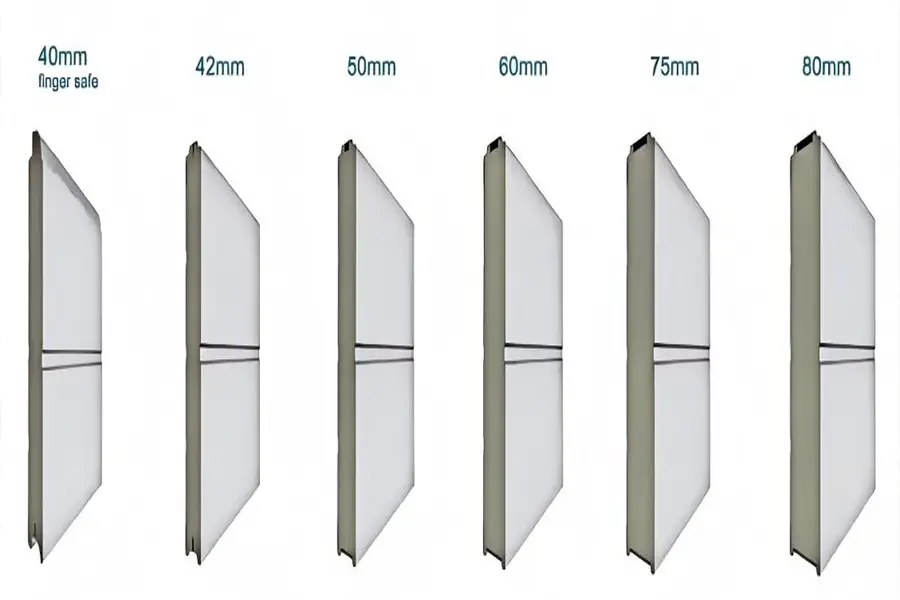
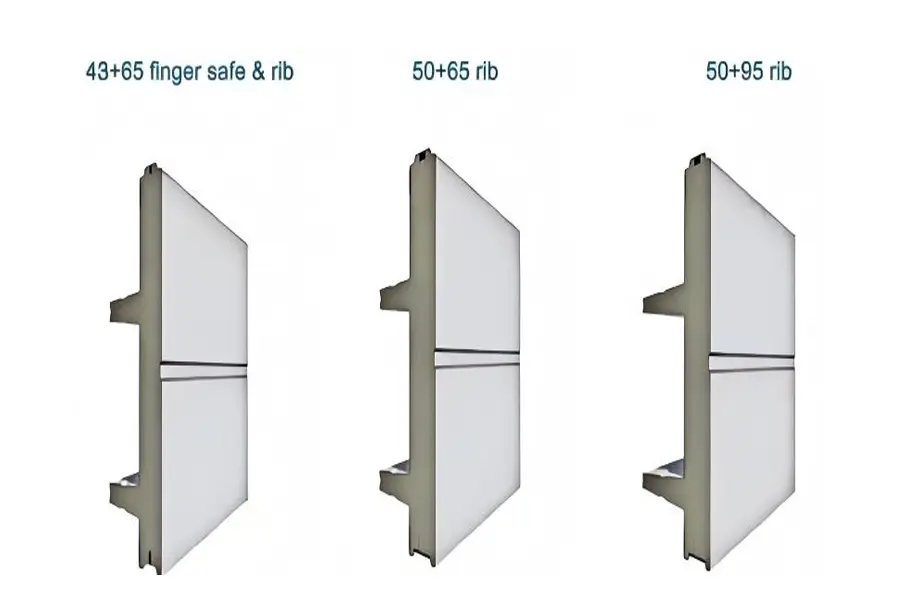
R-value measures a material’s resistance to heat flow. In the context of industrial doors, this typically refers to the density and thickness of the insulation core (usually Polyurethane or Polystyrene).
The Pro
It provides a simple metric for comparing panel thickness. ABX’s 50mm high-density PU foam panels achieve exceptional R-values that stand at the top of the industry.
The Trap
R-value only measures the center of the panel. It does not account for heat loss through joints, tracks, or hinges.
U-Factor: The True Metric of Facility Performance
While R-value looks at the material, U-factor (or U-value) measures the thermal transmittance of the entire door assembly. For facility leads, this is the most honest indicator of how much money you will spend on energy.
Comprehensive Assessment: U-factor accounts for the panel, the perimeter seals, and the thermal bridging caused by hardware.
The Lower, The Better: Unlike R-value, a lower U-factor indicates superior energy efficiency.
Comparative Efficiency: Standard Doors vs. High-Performance Thermal Solutions
Feature | Standard Sectional Door | ABX High-Speed Thermal Door |
Energy Payback Period | 5 – 7 Years | 1.5 – 3 Years |
Material R-Value | Moderate (R-10 to R-12) | High (R-18 to R-24) |
Installed U-Factor | High (Leaks at seals) | Ultra-Low (Airtight) |
Air Infiltration | Significant (0.3 cfm/ft²) | Minimal (0.05 cfm/ft²) |
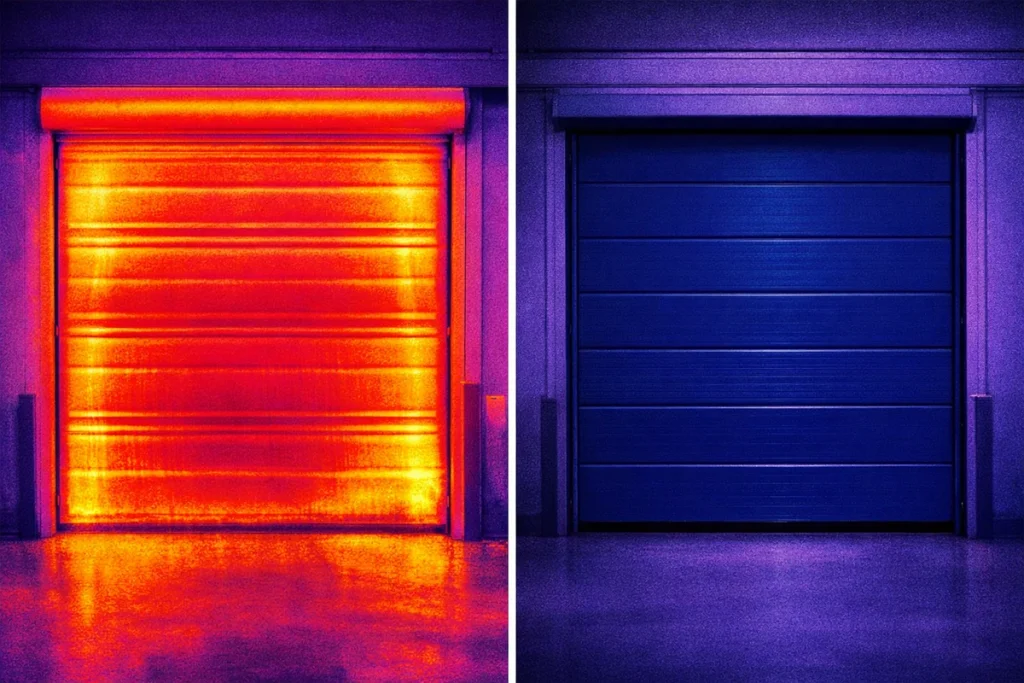
Optimizing the Thermal Envelope in Cold Chain Logistics
To achieve an industry-leading U-factor, ABX Doors focuses on the “Three Pillars of Insulation Engineering.”
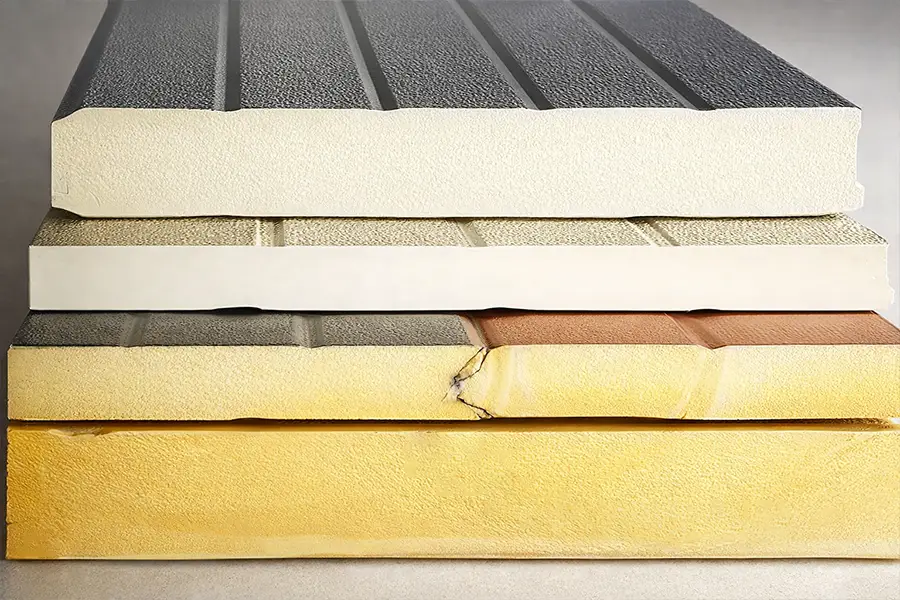
PU Foam Core Density: We utilize a six-component pentane foaming process to ensure zero “hollowness” within the panels.
Dual-Fin EPDM Sealing: Standard seals are often single-layered. ABX utilizes a dual-fin design on the jambs and header to create a redundant air barrier.
Broken Cold Bridge Technology: We decouple the exterior and interior steel skins at the joints, preventing the metal from conducting external heat into the freezer.
Expert Tip: Inspect Your Perimeter Seals Yearly
A door with an R-20 rating can perform like an R-5 door if the EPDM seals are cracked or misaligned. Air infiltration is responsible for 40% of energy loss at the loading dock. Prioritizing U-value and airtightness over simple thickness is the most effective way to protect your ROI.
Strategic Procurement: Making the Data-Driven Choice
When managing large-scale industrial assets, aesthetics are secondary to engineering precision. By demanding verified U-factor data and prioritizing advanced sealing technologies, you secure the future of your facility. At ABX Doors, we provide the transparency and technical rigor required to master your thermal envelope.
Request a technical datasheet or CAD specification from our engineering team today.